
What Are the Best Practices for Amazon Account Management?
Discover practical strategies for managing, optimizing and scaling your Amazon account while improving performance and customer satisfaction.
Think of running an Amazon store that never sleeps, where thousands of customers browse your products daily. That can happen if you manage your account effectively. Managing an Amazon account is like being a captain of a ship; you need the right strategies and tools to steer in the right direction.
Success on Amazon is about protecting your account, tracking your account’s performance, and optimising your store. Strong security keeps your business safe, while AI-driven decisions improve the overall performance of your account and boost your sales.
Let’s find out the best strategies for the financial management of your Amazon account so that you can stay ahead of the competition.

Table of Contents
- Amazon Account Optimisation and Scaling Strategies
- Returns and Refund Management
- AI-driven practices for Automation
- Conclusion
Amazon Account Optimization and Scaling Strategies
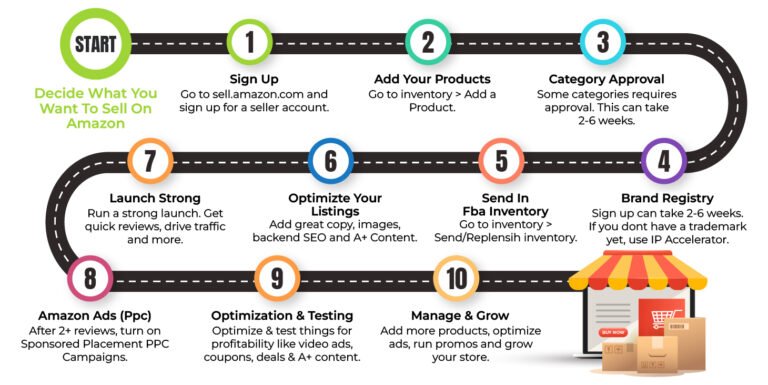
On Amazon, constantly refining your approach is the key to a successful business account. Optimising your account helps improve performance and increase sales. Here’s how to stay ahead:
Track Performance Metrics
Factors like Order Defect Rate (ODR), late shipment rates, and customer feedback directly impact your selling rates. They also determine whether Amazon favors or penalizes your listings. Thus, regularly monitor these factors:
- Order Defect Rate (ODR): Keep this low to avoid penalties. It includes negative feedback, A-to-Z claims, and chargebacks.
- Late Shipment Rate: Ensure orders are shipped on time to maintain high customer satisfaction.
- Customer Feedback: Positive reviews boost trust and visibility, while negative ones can hurt your rankings.
Deliver Outstanding Customer Service
Customer service is really important. A positive shopping experience leads to better reviews, repeat buyers, and fewer disputes. These are the best practices for customer service:
- Respond quickly to customer inquiries.
- Engage proactively by addressing concerns before they escalate into bad reviews.
- Handle returns smoothly to reduce negative feedback.
Use Data to Make Smart Decisions
Amazon’s built-in reports provide valuable insights into sales trends, inventory levels, and customer behavior. Use this data to adjust pricing, marketing, and inventory strategies.
Optimize Product Listings for Higher Conversions
A well-optimised product list increases sales by making products more compelling to buyers. Here’s how you can do it:
- Use Relevant Keywords: Do thorough research and use high-ranking keywords in your product titles, descriptions, and bullet points.
- Make Attractive Titles: Your product title should be short, clear and concise.
- Upload High-Quality Images: Use high-quality photos, infographics, and lifestyle images to showcase your product effectively.
- Enhance Descriptions: Write informative descriptions which explain the clear details of your products.
- Leverage A+ Content & Enhanced Brand Content (EBC): If you’re a brand-registered seller, use these features to add detailed visuals, comparison charts, and rich content to engage customers better.
Use Professional Help
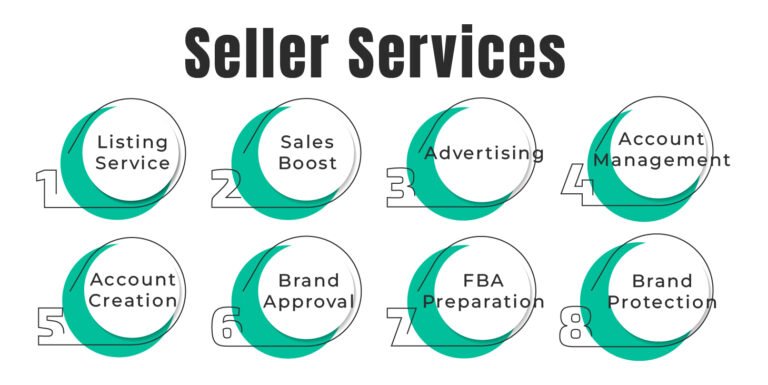
Managing each part of your account can be overwhelming at times. In such cases, seek professional help. Amazon account management agencies such as Sellmora can help manage your account for you.
At Sellmora, we manage your account for you. From optimising your listings to running your PPC campaigns, we are available to do your work for you. So, let us take care of your account while you reap the rewards.
Returns and Refund Management
While you are managing your account, don’t forget to maintain your customer’s trust by reducing disputes. You can do so by managing returns and refunds effectively.
Develop a Clear Returns Policy
A transparent returns policy is important for building trust in the community and it also reduces future misunderstandings.
- Make sure that your customers truly understand the return policy before purchasing an item.
- Display return policies prominently on product and checkout pages.
- Your return policies should align with Amazon’s return policies.
- Offer a reasonable return period.
- For damaged or defective items, have an automated replacement process.
Monitor Refunds Trend
When you track your return patterns, it helps you identify recurring issues. Do this regularly to prevent unnecessary refunds:
- Monitor refund metrics to analyze product defects, shipping problems, or customer misunderstandings.
- If a specific product has high return rates, update its description and improve packaging to reduce losses.
- If you face excessive refunds from certain customers, take action accordingly.
AI-Driven Practices for Automation
Artificial Intelligence (AI) is changing how managers at Amazon manage their business. Here’s how AI can help automate and optimise your account:
Pricing Optimization
Pricing plays an important role in staying competitive on Amazon. AI-powered tools help sellers to adjust prices in real time.
- AI tracks fluctuations in supply, demand, and competitor pricing to suggest a good pricing strategy.
- Repricing tools help maintain competitiveness without manual intervention. This makes sure that you never underprice or overprice your products.
Inventory Management
Effective inventory management prevents understocking and overstocking. AI tools help sellers predict trends by analysing historical data and market trends. Moreover, AI-integrated inventory systems trigger restocking alerts or automatically place orders when stock runs low.
AI-Powered Customer Service
Automated customer service enhances response time and ensures better customer experience. Here’s how:
- Use AI chatbots for quick assistance.
- Use AI to analyze customer reviews and feedback to improve services.
- Automate product review monitoring and responses to maintain a positive brand image.
Advertising Campaigns
AI helps sellers fine-tune their campaigns for maximum visibility and return on investment (ROI). AI studies shopping patterns and engagement to optimize ad placements. Also, AI adjusts ad bids in real time based on performance data to improve efficiency and cost-effectiveness. Moreover, AI tools suggest high-performing keywords to ensure ads reach the most relevant audience, increasing conversions.
Conclusion
In the competitive world of Amazon selling, success management and performance optimization are important for protecting business data. By following these top Amazon management strategies, you can refine your performance, thus maintaining a competitive ground and enhancing customer satisfaction.
Need a hand?
Our services put this advice to work for your store.
FAQ
Quick answers to common questions.
What does SellMora do?
We are a full-service Amazon agency. We help brands grow through brand management, PPC management, graphic design, catalog management and global expansion.
Who do you work with?
From startups to established brands. Our clients sell in the U.S., UK, Germany, France and beyond.
How do we get started?
Book a free 30-minute call or send us your reports for a free audit. We'll review your store and show you where the fastest growth is.
What reports do you need for the free audit?
Search term report summary, search query performance, main keyword report, ASIN report, business report and order report.
Can I hire you for just one service?
Yes. Many brands start with one service, such as PPC or listing optimization, and add more as they grow.
Let's talk
We reply within one business day.